Welcome!

This blog is the digital space where I reside online. This space is open to students, interested readers, and is a place where I share my adventures in reading, challenge the status quo, present ideas, and share new and captivating finds from the field of education and the wider world -- both on and offline.

I ask that if you have private questions to please email me at my University of Ottawa account rather than post here.

Linda

Tuesday, 25 August 2015

Not far from Dismaland: The Later Lives of Disney Princesses Show That "Happily Ever After" Is a Lie

Dina Goldstein created a series of photographs imagining what happened to Disney princesses after their fairy tales ended. The futures she imagines for the women are grim.  To see her other work, click here.


Welcome to Dismaland!

How might we think through this anti-establishment dystopian theme park "not suitable for adults"? The 2.5 acre show features installations by 58 artists, including 10 works from Banksy himself who described the production as “a festival of art, amusements and entry-level anarchism.”  
The Economist and the amazing art and design website Colossal have pictures and articles about this installation.

What does a theme park like this do to your childhood memories about Disney?  What does it do to the corporatized ideal that has become Disney?

Thinking about religion from the perspective of Indian youth

"Whatever your religion, if you have one or not, we cannot deny that it is omnipresent. It’s hard to imagine a life without it, especially in parts of the world that are divided by beliefs and cultural systems. They shape our world views which relate humanity to an order of existence. Whether the world would be a better or worse place without it that’s up to you. A group of Indian children were asked this very question as part of a “Kids Speak Out” video series on YouTube. We all know that children aren’t afraid to say how they really feel, this is what they had to say:"

Saturday, 4 April 2015

"Man" - Animation and/as an affective register in visual literacies

What multiple statements about our ethics as a species, about colonialism (those in power affect the most devastating change?), about gender (the video is called "Man"), and about environmentalism does this video make?  How can we read it many ways, taking account of the affective register this video compels without a single verbal or written utterance?

The visual and literacies

How do we interpret world overpopulation?  One way to consider learning about the earth and about overpopulation and the demands we place on our planet is through powerful images.  How do these pictures write across the curriculum?
Click here for an article on The Guardian about overpopulation and overconsumption in pictures.  What do images provoke that merely talking about these problems in the abstract doesn't?

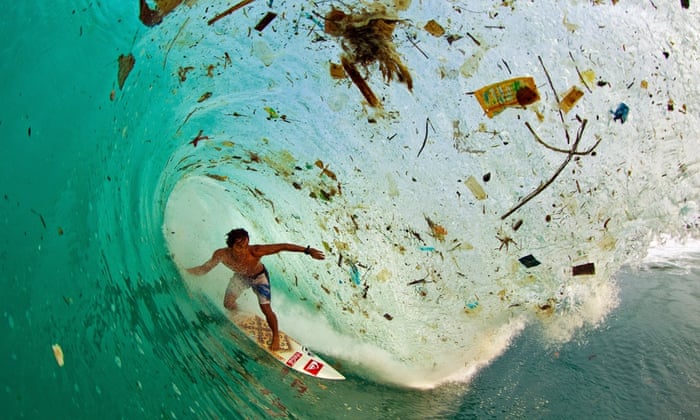
Trash waveIndonesian surfer Dede Surinaya catches a wave in a remote but garbage-covered bay on Java, Indonesia, the world’s most populated island

‘Water and air, the two essential fluids on which all life depends, have become global garbage cans.’Jacques-Yves Cousteau
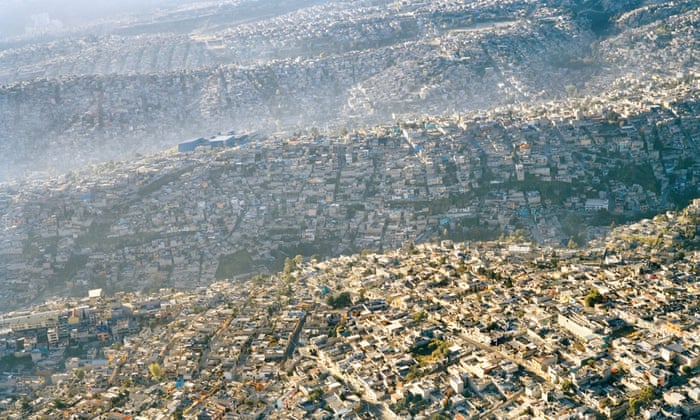
Waves of humanitySprawling Mexico City rolls across the landscape, displacing every scrap of natural habitat

‘If our species had started with just two people at the time of the earliest agricultural practices some 10,000 years ago, and increased by one percent per year, today humanity would be a solid ball of flesh many thousand light years in diameter, and expanding with a radial velocity that, neglecting relativity, would be many times faster than the speed of light.’Gabor Zovanyi
The return of the ancient mariner?
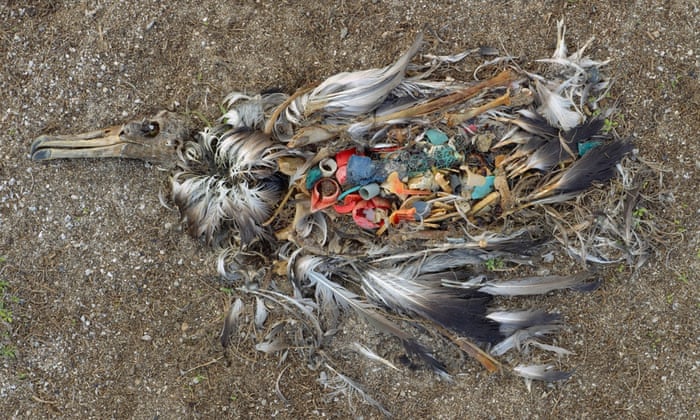
Dead birdOn Midway Atoll, far from the centres of world commerce, an albatross, dead from ingesting too much plastic, decays on the beach – it is a common sight on the remote island

‘Surely the fate of human beings is like that of the animals – the same fate awaits them both; as one dies, so dies the other. All have the same breath.’ Ecclesiastes 3:19
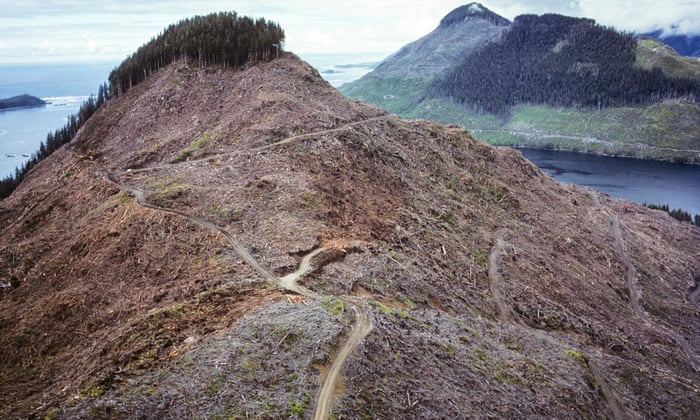
British Columbia clear-cutSometimes called the Brazil of the North, Canada has not been kind to its native forests as seen by clear-cut logging on Vancouver Island

‘Human domination over nature is quite simply an illusion, a passing dream by a naive species. It is an illusion that has cost us much, ensnared us in our own designs, given us a few boasts to make about our courage and genius, but all the same it is an illusion.’ Donald Worster

Sunday, 15 March 2015

Writing journey: As mentors of/as students at Hawthorne Public School


Today we completed our journey as writing mentors for Mr. Harder’s grade 8 students at Hawthorne Public School, a well as three students from Ms. Simser’s class. It seems just like yesterday that we were ushered into to meet the students and provided a sermon of sorts that for me touched on the importance of inquiry based learning and why part of what Mr. Harder calls ‘A Harder Learning Plan’ involves his students in cross curricular explorations of writing across history and geography.  While the students had a range of options in terms of the type of writing students could do to fulfill the expectations of the students’ complex task, one thing was of great significance – identity.  Mr. Harder noted that whether the students were writing a creative piece or a critical essay, he wanted them to try and understand the identities of the individuals and places they were studying. The general topic of inquiry for all students was immigration in Canada between 1891 and 1914.  For instance, Mr. Harder suggested that if students were taking up the theme of loyalty, how does this have to do with the land and people’s relationship to it, and how do such themes of identity and courage make the historical moment of the Red River Rebellion, come alive. Additionally, and importantly, Mr. Harder asked his students to consider how what they were writing about interconnected with their own identities and to consider how the Canadian story is one of dislocation. Turning back to the work of inquiry, Mr. Harder noted that what makes the work of history is if we find the self in everything we do. On that final note, Mr. Harder reviewed that the goal for the young writers in the class was for them to learn new strategies to improve their own writing and for the mentors to support this work through whatever ways they thought may be useful. 

While our four Mondays at Hawthorne flew by, I think we were able to build relationships through reading our way into our mentees ideas and lives. Working with a student from Ms. Simser’s class on a creative writing project, I was privileged to be part of his process of gathering ideas for his story and working through how  his Jumanji-like story with a twist of Goosebumps would unfold. As I read through the blog entries of the other University of Ottawa writing mentors, I see posts of resources and stories of learning that are deep and important. 


One theme that emerges in our blog posts is the privilege of having been able to listen Mr. Harder speak about entering the world of teaching as a profession.  He reminded teacher candidates that each of you has a place in the machine which is getting a job, learning to work with other seasoned teachers, and to develop courses and lessons.  He reminded us that taking each day, each lesson at a time is important, and to hold onto your core values in teaching despite all odds is important – without trying to change the world all at once.  

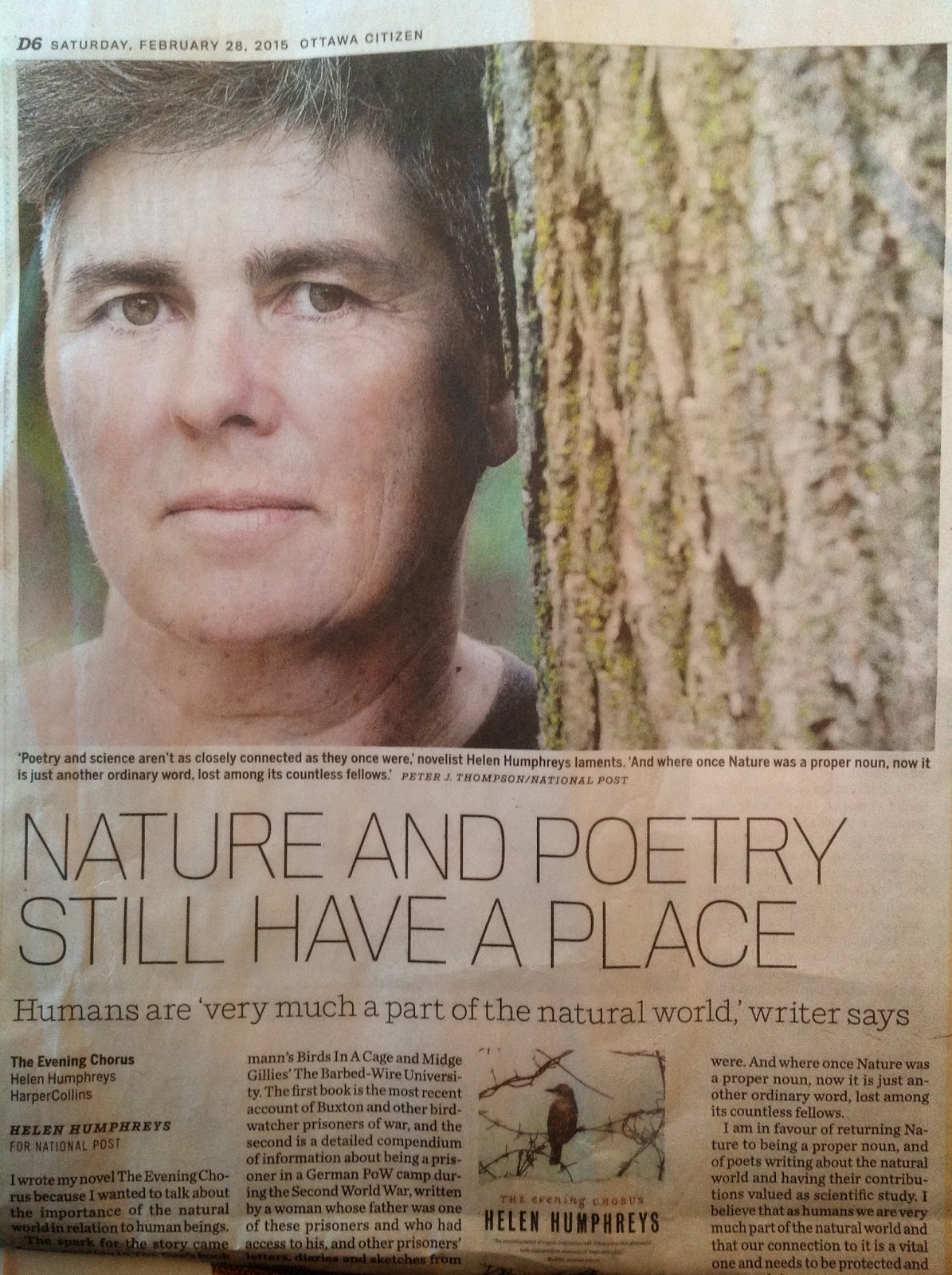
Helen Humphreys

In the Ottawa Citizen on February 28th, there was an excellent article on Helen Humphrey's new book entitled The Evening Chorus.  Commenting about nature, she explains, "I am in favour of returning Nature to being a proper noun, and of poets writing about the natural world, and having their contributions valued as scientific study.  I believe that humans are very much part of the natural world and that our connection to it is a vital one and needs to be protected and nurtured, just as we need to protect and nurture the natural world around us".

For Helen Humphreys' website, click here.